Budget 2026: Stamp Duty Unchanged. Here Is What Did Change for Home Buyers
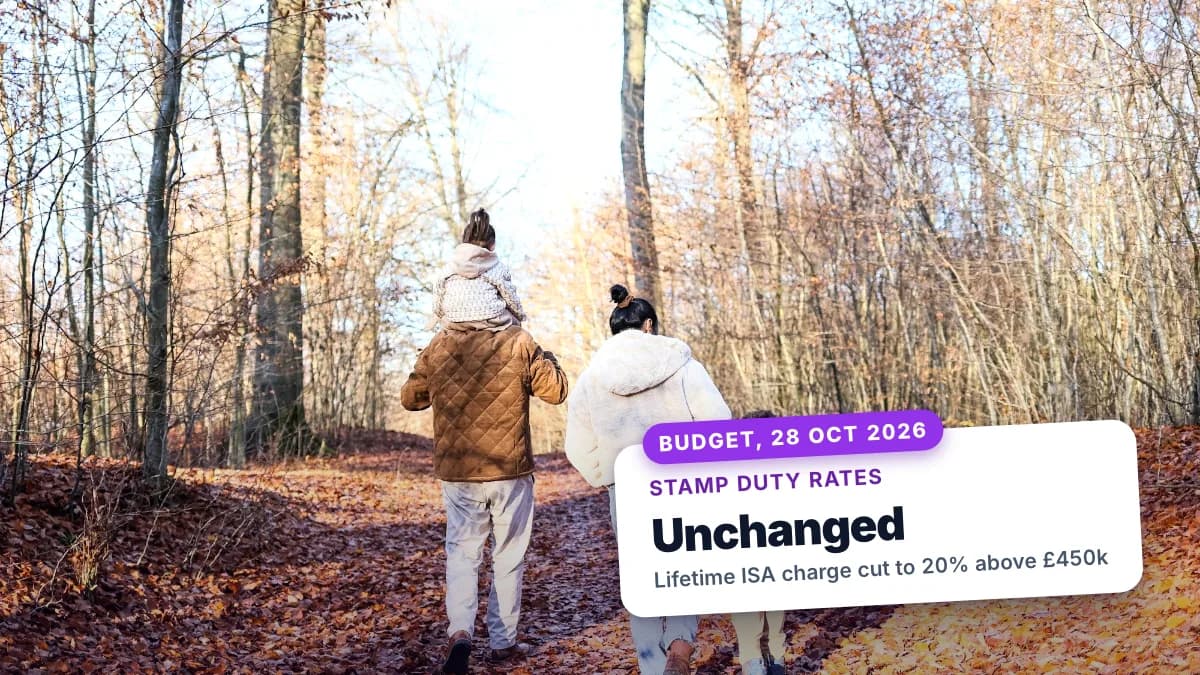
John Healey's first Budget left stamp duty rates exactly where they were. It did confirm a new equity loan scheme for first-time buyers, cut the Lifetime ISA penalty for buyers above £450,000, replace the Lifetime ISA for new savers, and settle how the mansion tax will work. This is every measure that touches buying a home, checked against the Treasury and HMRC documents published on Budget day.
Key Takeaways
- Stamp duty rates and thresholds did not change at the Budget on 28 October 2026. The rates set on 1 April 2025 still apply in England and Northern Ireland
- Your First Home was confirmed: 20% government equity loans for first-time buyers of new-build homes in England, with a 2.5% minimum deposit, from April 2027
- Its inner London price cap is £650,000, but first-time buyer relief stops at £500,000. A first-time buyer at the cap would pay £22,500 in stamp duty, the same as anyone else
- From 29 October 2026 the Lifetime ISA withdrawal charge falls from 25% to 20% when you buy a first home above the £450,000 cap, so you get back what you paid in
- A new First Time Buyer ISA replaces the Lifetime ISA for new savers from April 2029, with a 25% bonus capped at £20,000 and no upper age limit
- The High Value Council Tax Surcharge on English homes worth £2m or more starts in April 2028. The consultation response confirmed a deferral scheme and a 100% premium on homes left empty for 12 months or more. It is an annual charge, not stamp duty
- Three technical SDLT changes affect companies and pension funds, not home buyers: group relief, Local Government Pension Scheme pooling, and rent under assured tenancies
Did Stamp Duty Change?
No. The Budget on 28 October 2026 made no change to stamp duty rates, thresholds or surcharges for home buyers. HMRC's overview of tax legislation and rates, published on Budget day, lists three Stamp Duty Land Tax measures, and none of them changes what a person pays on buying a home. If you are completing a purchase this week, your stamp duty is the same figure it was last week.
The rates in force in England and Northern Ireland remain the ones set on 1 April 2025:
- 0% up to £125,000, then 2% to £250,000, 5% to £925,000, 10% to £1.5 million and 12% above that
- First-time buyers pay nothing up to £300,000 and 5% from £300,001 to £500,000, with no relief above £500,000
- A 5% surcharge on every band for an additional property, such as a second home or buy to let, from £40,000
- A further 2% for buyers who are not UK resident
Scotland and Wales set their own property taxes, Land and Buildings Transaction Tax and Land Transaction Tax, through their own budgets, so a UK Budget does not change them. Check your figure with the stamp duty calculator or see the full 2026 stamp duty rates.
This was the expected outcome. The Prime Minister ruled out a stamp duty change at this Budget on 27 July 2026, and we tracked every proposal and statement in the run-up in Autumn Budget 2026 and Stamp Duty: What Changes on 28 October.
Every Property Measure at a Glance
Taken from the Budget 2026 document and HMRC's overview of tax legislation and rates, both published on 28 October 2026.
| Measure | What changed | From | Effect on stamp duty |
|---|---|---|---|
| SDLT rates and thresholds | Nothing | Not applicable | None |
| Your First Home | New 20% equity loans for first-time buyers of new-build homes in England, 2.5% minimum deposit | April 2027 | None announced. Normal first-time buyer rules apply, which stop at £500,000 |
| Lifetime ISA withdrawal charge | Cut from 25% to 20% for a first home above the £450,000 cap | 29 October 2026 | None |
| First Time Buyer ISA | Replaces the Lifetime ISA for new savers, homes up to £450,000 | April 2029 | None |
| High Value Council Tax Surcharge | Confirmed for English homes worth £2m or more, with design settled in the consultation response | April 2028 | None. An annual charge on owners |
| SDLT group relief | Winding up the seller company no longer stops the three-year clawback | 29 October 2026 | Companies only |
| SDLT relief for Local Government Pension Scheme pooling | New relief when member funds move property into asset pool companies | 28 October 2026 to 31 March 2032 | Pension funds only |
| SDLT on rent under assured tenancies | Removal legislated in the next Finance Bill | Already in effect from 1 May 2026 | Tenants only, no change since May |
| Securities Transfer Tax | Replaces Stamp Duty and Stamp Duty Reserve Tax on shares | Late 2027 | None. Shares, not property |
Your First Home and Stamp Duty
Your First Home is the Budget's main housing measure. The Treasury has set aside £4.7 billion to help around 70,000 households in England buy a new-build home from April 2027. The details confirmed on 28 October 2026 are:
- A government equity loan of 20% of the price, for first-time buyers who would not otherwise be able to buy
- A minimum deposit of 2.5% and a maximum of 15%
- Household income caps of £110,000 outside London and £140,000 in London
- Price caps set from local authority median prices, with caps of £650,000 in inner London and £500,000 in outer London
- Five years interest free on the equity loan, with charges rising gradually after that
- Developers pay a fee to join, on a sliding scale that is lower for smaller developments
The Budget documents say nothing about stamp duty for the scheme, so the normal rules apply. Stamp duty is charged on the price of the home, and the equity loan is a way of paying that price, not a discount on it. A buyer using Help to Buy, the last equity loan scheme, paid stamp duty on the full price, and nothing published so far suggests Your First Home will work differently.
The inner London gap
First-time buyer relief only applies to purchases of £500,000 or less. Above that, a first-time buyer pays the same stamp duty as anyone else. The outer London cap sits exactly at £500,000, so relief is available across the whole outer London range. The inner London cap of £650,000 is £150,000 higher, and every inner London purchase in that band gets no first-time buyer relief at all.
| Price of a new-build first home | Stamp duty for a first-time buyer | Relief applies? |
|---|---|---|
| £300,000 | £0 | Yes |
| £450,000 | £7,500 | Yes |
| £500,000 (outer London cap) | £10,000 | Yes |
| £500,001 | £15,000 | No |
| £600,000 | £20,000 | No |
| £650,000 (inner London cap) | £22,500 | No |
Figures are worked out with our own calculator engine at the rates in force from 1 April 2025, for a sole first-time buyer who is UK resident. One pound over £500,000 adds £5,000 to the bill. At £650,000, the deposit a buyer needs under the scheme can be as little as £16,250, while the stamp duty is £22,500 and has to be paid in cash on completion. Anyone looking at inner London through the scheme should budget for stamp duty before anything else.
Work out your own figure with the first-time buyer stamp duty calculator, and see how stamp duty worked under the old scheme in Help to Buy and stamp duty.
Lifetime ISA and the New First Time Buyer ISA
Two changes affect first-time buyers saving for a deposit.
A smaller Lifetime ISA penalty above £450,000, from 29 October 2026
The Lifetime ISA can only be used for a first home costing £450,000 or less, a cap that has not moved since 2017. Until now, a saver buying above it paid the 25% charge that applies to any unauthorised withdrawal, which takes back the bonus and some of their own money. From midnight on 29 October 2026, the charge falls to 20% when the funds go towards a first home above £450,000 that meets the other qualifying rules. It stays at 25% for every other unauthorised withdrawal.
Pay in £4,000 and the government adds £1,000, so the account holds £5,000.
Before 29 October 2026: a 25% charge of £1,250 left £3,750. That is £250 less than you paid in.
From 29 October 2026: a 20% charge of £1,000 leaves £4,000. That is exactly what you paid in. You lose the bonus but nothing more.
The change does not affect stamp duty. A first-time buyer at £450,001 or more still pays stamp duty at first-time buyer rates up to £500,000 and at standard rates above it. We explain how the Lifetime ISA and stamp duty interact in Lifetime ISA and stamp duty.
The First Time Buyer ISA, from April 2029
A new First Time Buyer ISA will replace the Lifetime ISA for new savers from April 2029. As announced:
- Contributions of up to £4,000 a year, with a 25% government bonus
- The bonus is worked out on the account balance when you withdraw for a qualifying first home, rather than added each year
- The bonus is capped at £20,000
- The home must cost £450,000 or less
- No upper age limit
If you already have a Lifetime ISA, you can keep paying in and using it under the current rules. The Budget documents do not say whether the new bonus can be used towards stamp duty. Lifetime ISA money cannot be, so until the rules are published, plan to pay stamp duty from other savings.
The Mansion Tax Is Confirmed
The High Value Council Tax Surcharge will apply to residential properties in England worth £2 million or more from April 2028, and will be legislated in Finance Bill 2026-27. The reported cut in the threshold to £1.5 million did not happen. On Budget day the government also published its response to the consultation on how the charge will work, which drew 424 responses. It confirms:
- Owners pay, not occupiers. Legal owners are liable, joint owners are jointly liable, and trustees pay where a home is held in trust
- Deferral is available where household income is £35,000 or less, capital savings are £16,000 or less, or a household member meets disability criteria. Deferred charges become due when the property changes hands
- Student halls, care homes and similar long-term care accommodation, and Ministry of Defence barracks are exempt
- There will be no extra charge on non-UK resident owners. Instead, homes that are substantially unfurnished and unoccupied for 12 months or more will pay a 100% premium
- Councils can start issuing bills from March 2028, and owners can appeal banding and liability decisions to the Valuation Tribunal
Why this is not stamp duty
Stamp duty is a one-off tax on buying. The surcharge is a yearly charge on owning, paid alongside council tax. Buying a £2.5 million home costs the same stamp duty after this Budget as before it. What changes is the running cost from 2028.
We cover the consultation outcome in full in the mansion tax consultation, and how the surcharge was first announced in the annual mansion tax surcharge.
The Three Technical SDLT Changes
HMRC listed three Stamp Duty Land Tax measures. None of them affects an individual buying a home.
Group relief clawback, from 29 October 2026
Group relief removes stamp duty when property moves between companies in the same group, and the relief is clawed back if the buying company leaves the group within three years. The change means that winding up the selling company no longer prevents that clawback. It applies to transactions in England and Northern Ireland from 29 October 2026. See our guide to SDLT group relief.
Local Government Pension Scheme pooling, 28 October 2026 to 31 March 2032
A new relief covers land and property moved from Local Government Pension Scheme member funds into the scheme's asset pool companies, to support the pooling reforms. It applies to transactions with an effective date from 28 October 2026 and before 1 April 2032.
Rent under assured tenancies, already in effect from 1 May 2026
Stamp duty no longer applies to rent paid under assured tenancies in England, and tenants no longer need to file a return just because rent is payable. This took effect on 1 May 2026 alongside the Renters' Rights Act, and the Budget confirms it will be written into the next Finance Bill. We covered it in the Renters' Rights Act and stamp duty.
What Was Proposed and Not Adopted
In the three months before the Budget, stamp duty changes were requested by a housebuilder, a think tank, a housing committee, the opposition and a group of Labour MPs. None of them appears in the Budget:
- A return of the £500,000 stamp duty holiday, or exemptions for first-time buyers and downsizers, asked for by a housing committee chaired by Sir Vince Cable on 16 October
- A 1% cap for first-time buyers and downsizers and removal of the 5% surcharge, asked for by Berkeley Group on 11 September. See Berkeley wants stamp duty capped at 1%
- A new relief for downsizers, which a Treasury letter dated 8 September had already said there were no plans for
- Abolishing stamp duty on homes, pledged by the Shadow Chancellor on 22 September
- Replacing stamp duty and council tax with an annual property tax, proposed by the Resolution Foundation and by some Labour MPs. See the stamp duty reform proposals
- Cutting the mansion tax threshold to £1.5 million, which the Financial Times reported on 13 October had been dropped
Each one is set out with its date and source in our pre-Budget tracker, Autumn Budget 2026 and Stamp Duty. The Prime Minister's statement of 27 July ruled out a stamp duty change at this Budget only, not for the rest of the Parliament, so the reform debate is likely to continue.
What It Means if You Are Buying Now
Buyers who held off until after the Budget have their answer: there is no stamp duty change to wait for and no deadline to beat. The figure on your purchase today is the figure it would have been last week.
- First-time buyers above £450,000 with a Lifetime ISA: from 29 October 2026 you can use the money with a 20% charge rather than 25%, which returns everything you paid in
- First-time buyers looking at new builds: Your First Home starts in April 2027. If you are buying in inner London, budget for full stamp duty on anything over £500,000
- Buyers of homes worth £2 million or more in England: stamp duty is unchanged, but the surcharge will add a yearly cost from April 2028
- Buy-to-let and second-home buyers: the 5% surcharge stays as it is
Work out what you will pay with the stamp duty calculator, and if you are still weighing up timing, see should I wait for stamp duty changes.
Frequently Asked Questions
Did stamp duty change in the Budget 2026?
No. The Budget on 28 October 2026 made no change to stamp duty rates, thresholds or surcharges for home buyers. The rates set on 1 April 2025 still apply in England and Northern Ireland.
Has the first-time buyer stamp duty threshold changed?
No. First-time buyers still pay nothing up to £300,000 and 5% on the portion from £300,001 to £500,000. Above £500,000 there is no relief.
Do you pay stamp duty with Your First Home?
Yes, on the normal rules. The Budget did not announce any stamp duty relief for the scheme. A first-time buyer gets first-time buyer relief up to £500,000, so a buyer at the £650,000 inner London cap would pay £22,500.
Can I now use my Lifetime ISA for a home over £450,000?
Yes, from 29 October 2026, with a 20% withdrawal charge instead of 25%, provided the purchase meets the other first-home rules. That returns the money you paid in but not the government bonus.
When does the mansion tax start?
April 2028, on homes in England worth £2 million or more. It is an annual charge on owners, not a purchase tax, and it does not change stamp duty.
Does the Budget change stamp duty in Scotland or Wales?
No. Scotland charges Land and Buildings Transaction Tax and Wales charges Land Transaction Tax, and both are set by their own governments.
Sources
- Budget 2026, HM Treasury, 28 October 2026
- Budget 2026: Overview of tax legislation and rates, HMRC, 28 October 2026
- Budget 2026 tax related documents, HMRC, 28 October 2026
- High Value Council Tax Surcharge: Summary of Responses and Government response, 28 October 2026
- First Time Buyer ISA consultation, HM Treasury, 28 October 2026
This article summarises official documents published on Budget day and is not tax or financial advice. It is not affiliated with HMRC or GOV.UK.
Reviewed by

Julie White
ACAStamp duty specialist since 1999Stamp Duty Land Tax Specialist
ACA and Tax Adviser with a career spanning nearly four decades, specialising in stamp duty planning and advisory work since 1999.